
What a “shared operational picture” actually means
The phrase gets used loosely. In an incident, it has a precise meaning. Most agencies don’t actually have one, even when they think they do.
The perimeter had already shifted twice before SWAT arrived. Patrol knew it. Air support knew it. The command post didn’t. By the time everyone synchronized, fifteen minutes had disappeared, and the tactical plan that briefed off the old perimeter had to be rebuilt on the spot. Nobody did anything wrong. The information was just stuck in too many heads at once, moving the only way it could, one radio call at a time. That gap is exactly what a shared operational picture closes.
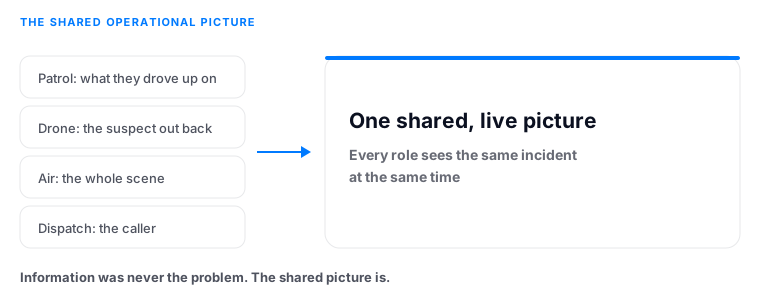
“Common operating picture” (a term FEMA’s National Incident Management System (NIMS) builds into ICS doctrine) and “situational awareness” show up in every public safety technology pitch. But during a real incident, the test is simple: can every role that needs to act see the same current information at the same time? For most agencies, the honest answer is no.
Why the picture fragments
The information exists, it’s just scattered. Video lives in one system. Assignments live on a whiteboard. Intel is spread across CAD comments, texts, notebooks, and briefings. Investigators work from a separate view. Command staff fight to assemble a coherent operational picture from all of it while the incident moves: the exact pattern that leads to incident commander tunnel vision.
- The tools all work. They just don’t work together.
- Each role sees a slice, not the whole.
- By the time the current picture is assembled, it’s already out of date.
The three things a real shared picture requires
1. Every source in one place
Live video, drones, aircraft, fixed cameras, witness phones, alongside assignments, perimeter, resources, and intel. Not separate screens; one wall and one workspace.
2. Live sync
The moment anyone updates the picture, everyone sees it. No briefing lag, no “latest version” problem, no waiting to be told.
3. Every role, one view
Patrol, command, tactical teams, investigations, and leadership all operate from the same information, each with the access appropriate to their role. This is the key to how the patrol to SWAT handoff works without rebuilding the picture from scratch.
Why it changes outcomes
When the view is shared and live, decisions are made on what’s happening. Not on what someone remembers or relayed. Containment reflects reality. Tactical plans build on current intel. Investigations start with context instead of catching up. This is what BabbarOps is built around: every feed, every role, every phase, from first response through resolution, on one shared operational picture.
The thing to remember is that the radio was never the problem. It is a fine way to talk and a terrible way to hold a picture for ten people at once. The best plan in the world still fails if everyone is working from different information, and on a moving incident, that is the gap that costs minutes you don’t get back.
It is one live view that every role contributes to and works from, not just a map or a video feed. The practical test during an incident is simple: can every role that needs to act see the same current information at the same time? For most agencies, the honest answer is no.
The information exists, it's just scattered. Video lives in one system, assignments live on a whiteboard, and intel is spread across CAD comments, texts, notebooks, and briefings. Each role sees a slice rather than the whole, and by the time command assembles the picture it's already out of date.
Three things. Every source in one place: live video, drones, aircraft, fixed cameras, and witness phones alongside assignments, perimeter, resources, and intel. Live sync, so the moment anyone updates the picture everyone sees it. And every role on one view, with access appropriate to each role.
When the picture is shared and live, decisions are made on what's happening, not on what someone remembers or relayed. Containment reflects reality, tactical plans build on current intel, and investigations start with context instead of catching up. The incident is run from one truth.
Sources: FEMA, National Incident Management System (NIMS).; FEMA, National Incident Management System, 3rd ed. (2017).; Endsley, M.R. (1995). Toward a Theory of Situation Awareness in Dynamic Systems. Human Factors, 37(1), 32–64.
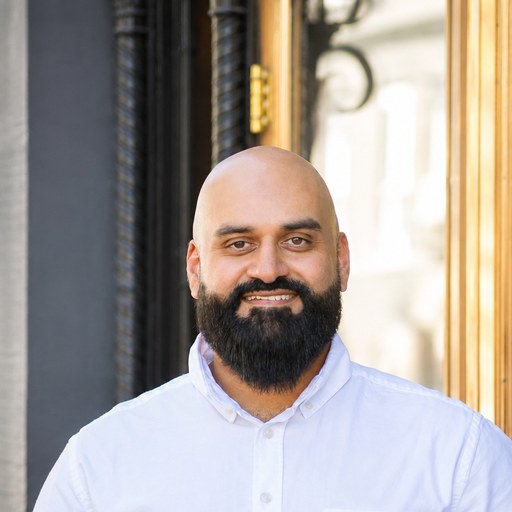
Sukh Bhela is a California police sergeant who has served as a UAS operator, UAS supervisor, and incident commander during critical incidents. His experience leading patrol operations and integrating drone technology into public safety responses led him to found BabbarOps, where he builds tools for live situational awareness and incident command. He writes about policing, drone operations, leadership, and the technology shaping the future of emergency response.
The views expressed here are the author's own, written in his personal capacity. They do not represent, and are not made on behalf of, any law enforcement agency or employer.
BabbarOps is an independent commercial product and is not affiliated with or endorsed by any law enforcement agency.